
Nature Heal Vibe logo

Category: Healthy Habits

Simple daily routines for natural energy and balance.

  • Why Time in Nature Is Good for You — and Simple Ways to Get More

    Why Time in Nature Is Good for You — and Simple Ways to Get More

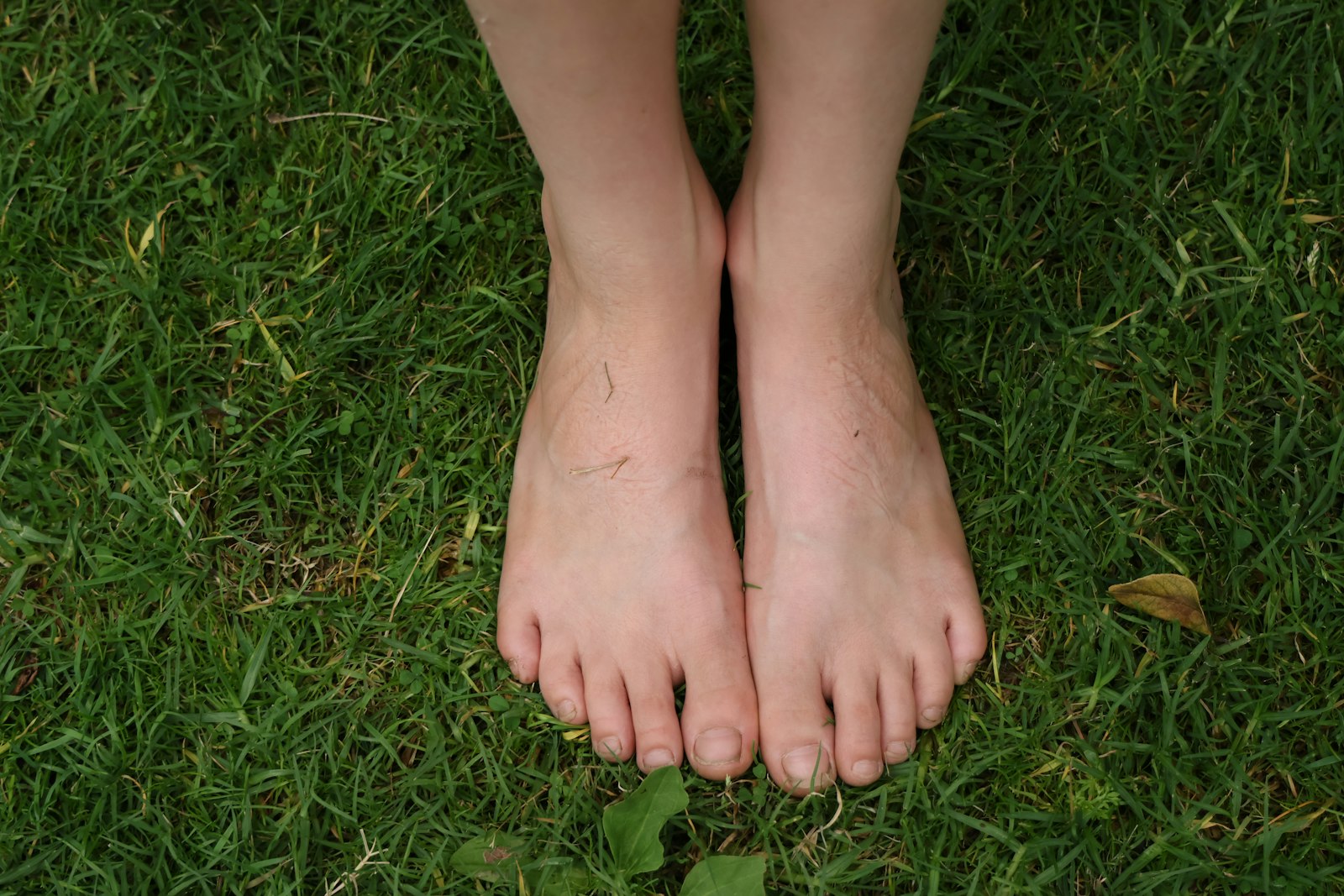
    Many of us spend most of the day indoors, under artificial light, looking at screens. Yet a growing body of research links time in nature with lower perceived stress, improved mood and better wellbeing. You do not need a mountain retreat to benefit — parks, gardens, tree-lined streets and even houseplants can help.

    What research suggests

    Studies of people spending time in green spaces have reported benefits such as reduced feelings of stress, better mood and a greater sense of restoration. Some research suggests that around two hours a week in nature, spread across one or several visits, is associated with better self-reported health and wellbeing. Scientists are still exploring exactly why, but likely factors include physical activity, fresh air, daylight, social connection and a break from mental demands.

    Simple ways to get more green time

    • Walk a greener route: choose a path through a park or tree-lined street, even if it takes a few extra minutes
    • Take meetings or calls outside: walking phone calls are an easy win
    • Eat lunch outdoors: a bench, balcony or garden works perfectly
    • Grow something: herbs on a windowsill or a few pots on a balcony connect you with natural rhythms
    • Plan a weekly nature outing: a longer walk, picnic or visit to a botanical garden

    Make it mindful

    You will likely gain more from time outdoors if you are present for it. Try leaving your headphones at home for part of the walk. Notice five things you can see, four you can hear, three you can feel, two you can smell and one you are grateful for. Our article on mindful walking explores this further, and our mindfulness sessions teach simple ways to bring attention to the present moment.

    Bring nature indoors

    On busy days, small touches help: open the window for fresh air, sit near natural light, keep plants on your desk, or look at views of trees and sky during breaks.

    Stay safe outdoors

    Choose well-lit, familiar areas, protect yourself from strong sun and heat, stay hydrated and wear comfortable footwear. If you have mobility challenges, a garden or accessible park path is just as valuable.

    Key takeaways

    • Regular time in green spaces is linked with lower stress and better mood
    • Aim for around two hours a week, in whatever chunks suit you
    • Small daily doses — greener routes, outdoor lunches — add up
    • Being present multiplies the benefits

    This article is for general wellbeing education and is not medical advice. Please speak to your doctor before making changes if you have a health condition, are pregnant or take regular medication.
  • A Simple Morning Routine for Natural Energy (No Extra Coffee Needed)

    A Simple Morning Routine for Natural Energy (No Extra Coffee Needed)

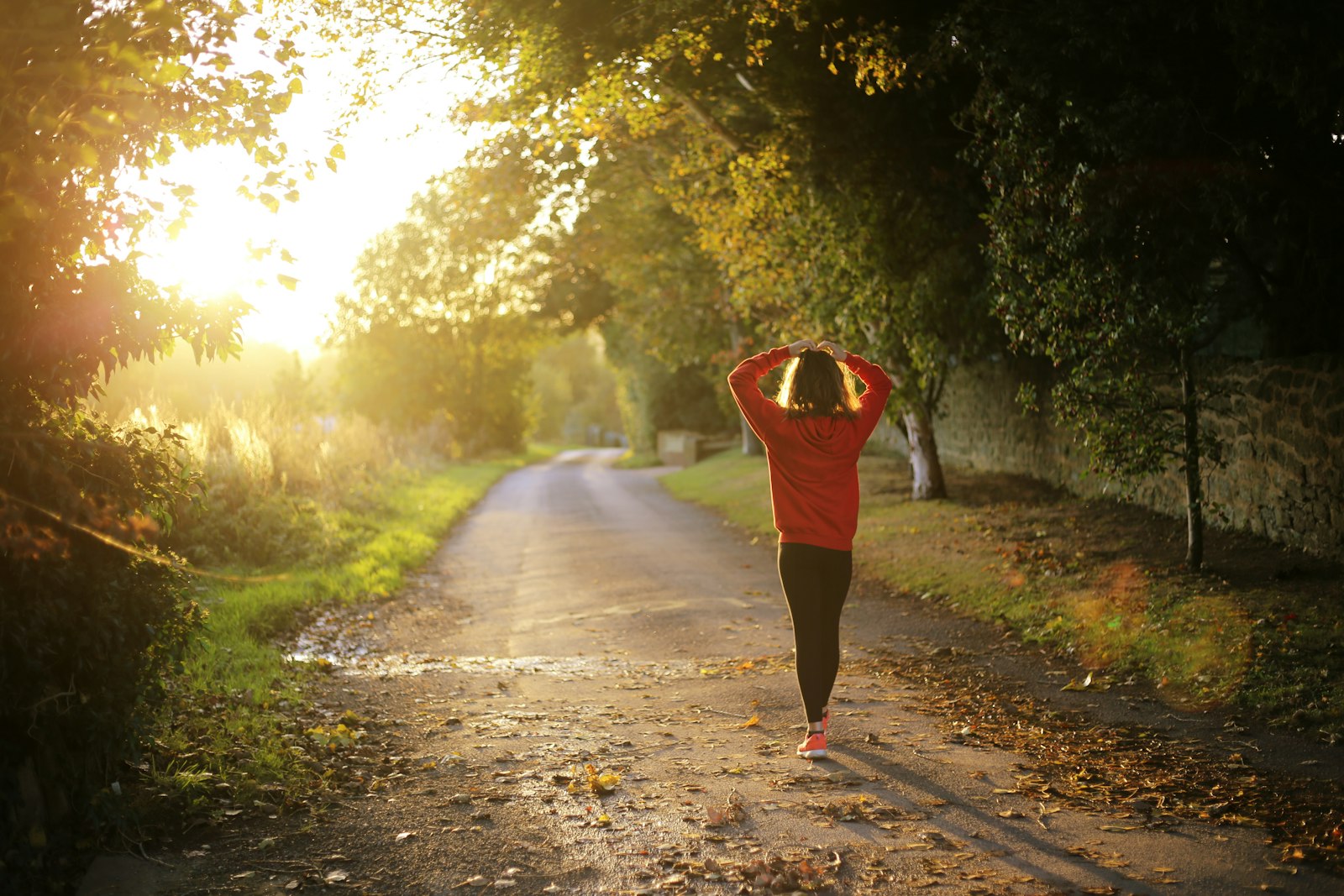
    If you wake up tired and reach straight for your phone and a strong coffee, you are not alone. But the first hour of the day has an outsized effect on how you feel until evening. A few small, natural habits can help your body shift from sleep mode into steady, focused energy — without the mid-morning crash.

    Here is a simple routine our clients use. It takes around twenty minutes, needs no equipment and can be adapted to almost any schedule.

    1. Get daylight in the first 30 minutes

    Natural light is one of the strongest signals your body clock receives. Stepping outside, opening the curtains wide or sitting by a bright window for five to ten minutes helps your body recognise that the day has begun. Many people find this makes it easier to fall asleep at night, too.

    2. Drink a glass of water before anything else

    After a night without fluids, mild dehydration can contribute to grogginess and headaches. Keep a glass of water by your bed or the kitchen sink and drink it before tea or coffee. A squeeze of lemon or a few mint leaves is optional.

    3. Move for five minutes

    You do not need a full workout. Gentle movement increases circulation and loosens stiffness from sleep. Try:

    • Ten slow shoulder rolls in each direction
    • Five cat–cow stretches on hands and knees
    • A slow forward fold with soft knees
    • A short walk around your home or garden

    4. Practise two minutes of steady breathing

    Sit tall, relax your shoulders and breathe slowly through your nose, letting the belly expand on each inhale. Aim for six to eight breaths per minute. This simple practice helps many people feel calmer and more alert at the same time. You can learn more techniques in our yoga and breathwork sessions.

    5. Eat a breakfast with protein and fibre

    A breakfast built mainly on refined carbohydrates can leave you hungry and sluggish by mid-morning. Adding protein and fibre helps keep energy steady. Simple options include:

    • Eggs with whole-grain toast and sliced tomato
    • Oats cooked with milk or yoghurt, topped with nuts and fruit
    • Lentil or chickpea dishes with vegetables
    • Plain yoghurt with seeds and berries

    6. Have your coffee or tea a little later

    There is nothing wrong with enjoying coffee or tea. Some people find that having it after breakfast, rather than on an empty stomach, feels gentler and helps avoid jitters.

    Making it stick

    Do not try to add everything at once. Choose one or two steps for the first week, then add another. Link each habit to something you already do — water after switching off your alarm, stretching while the kettle boils. If you would like help designing a routine around your real schedule, our holistic health coaching can help.

    Key takeaways

    • Morning light and water are the simplest energy boosters
    • Five minutes of movement and two minutes of breathing go a long way
    • A breakfast with protein and fibre supports steady energy
    • Build the routine gradually so it lasts

    This article is for general wellbeing education and is not medical advice. Please speak to your doctor before making changes if you have a health condition, are pregnant or take regular medication.