
Nature Heal Vibe logo

Category: Nutrition

Whole-food nutrition made practical.

  • How to Build a Balanced Green Smoothie (Without the Sugar Crash)

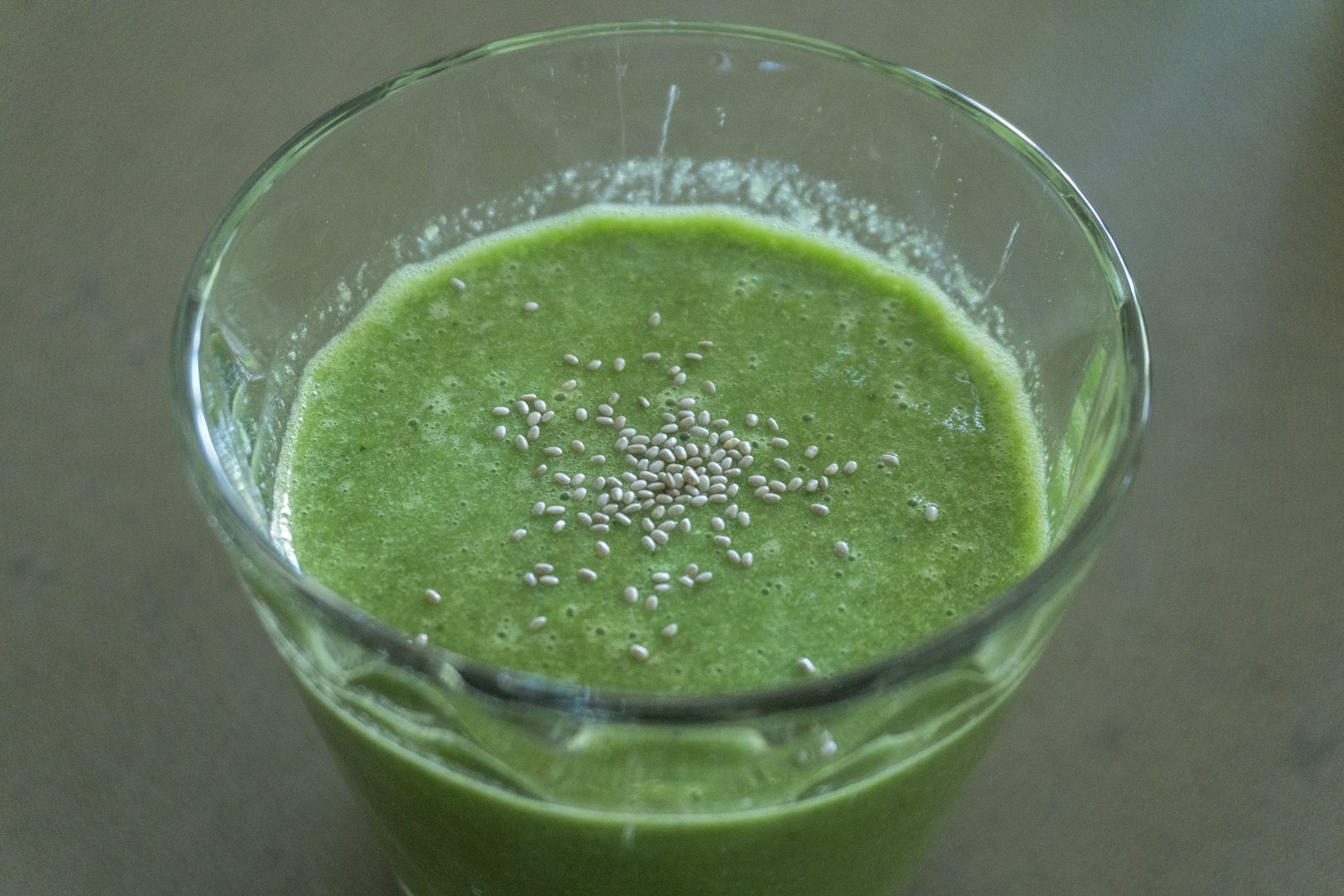
    How to Build a Balanced Green Smoothie (Without the Sugar Crash)

    Green smoothies can be a quick way to add vegetables to your day. But a blend made mostly of fruit and juice can be surprisingly high in sugar and leave you hungry an hour later. The secret is balance: greens, a modest amount of fruit, plus protein, fat and fibre.

    The balanced smoothie formula

    • 1–2 handfuls of leafy greens: spinach is mild; kale and other greens are stronger
    • ½–1 cup of fruit: banana, mango, berries, pineapple or apple
    • A source of protein: plain yoghurt, milk, soy milk, silken tofu or a spoon of nut butter
    • Healthy fat and fibre: chia seeds, flaxseed, avocado or a few nuts
    • Liquid: water, milk or an unsweetened plant milk, rather than fruit juice
    • Flavour boosters: fresh ginger, mint, cinnamon, lemon or lime

    Three easy combinations

    Fresh and zesty

    Spinach, half a green apple, cucumber, a squeeze of lime, a small piece of ginger, a spoon of chia seeds and water. Light and refreshing.

    Creamy and filling

    Spinach, half a banana, a tablespoon of peanut butter, a cup of milk or soy milk and a pinch of cinnamon. Ideal for breakfast.

    Tropical green

    A handful of greens, a little mango or pineapple, plain yoghurt, flaxseed and a few mint leaves.

    Tips for better smoothies

    • Blend greens with the liquid first for a smooth texture
    • Freeze ripe bananas and mango chunks for a cold, creamy result without ice
    • Drink your smoothie slowly, or enjoy it with a few nuts, to stay satisfied
    • Keep portions to about one large glass

    Smoothies are not a meal replacement for everyone

    Chewing whole foods helps fullness, so smoothies work best as one part of a varied diet. If you manage blood sugar, have kidney concerns or take blood-thinning medication (which can be affected by large changes in leafy greens), speak to your doctor before making smoothies a daily habit.

    Looking for more ways to build balanced meals? Our nutrition guidance sessions turn ideas like these into a simple weekly plan.

    This article is for general wellbeing education and is not medical advice. Please speak to your doctor before making changes if you have a health condition, are pregnant or take regular medication.

  • Seasonal Eating: Why It Matters and How to Start

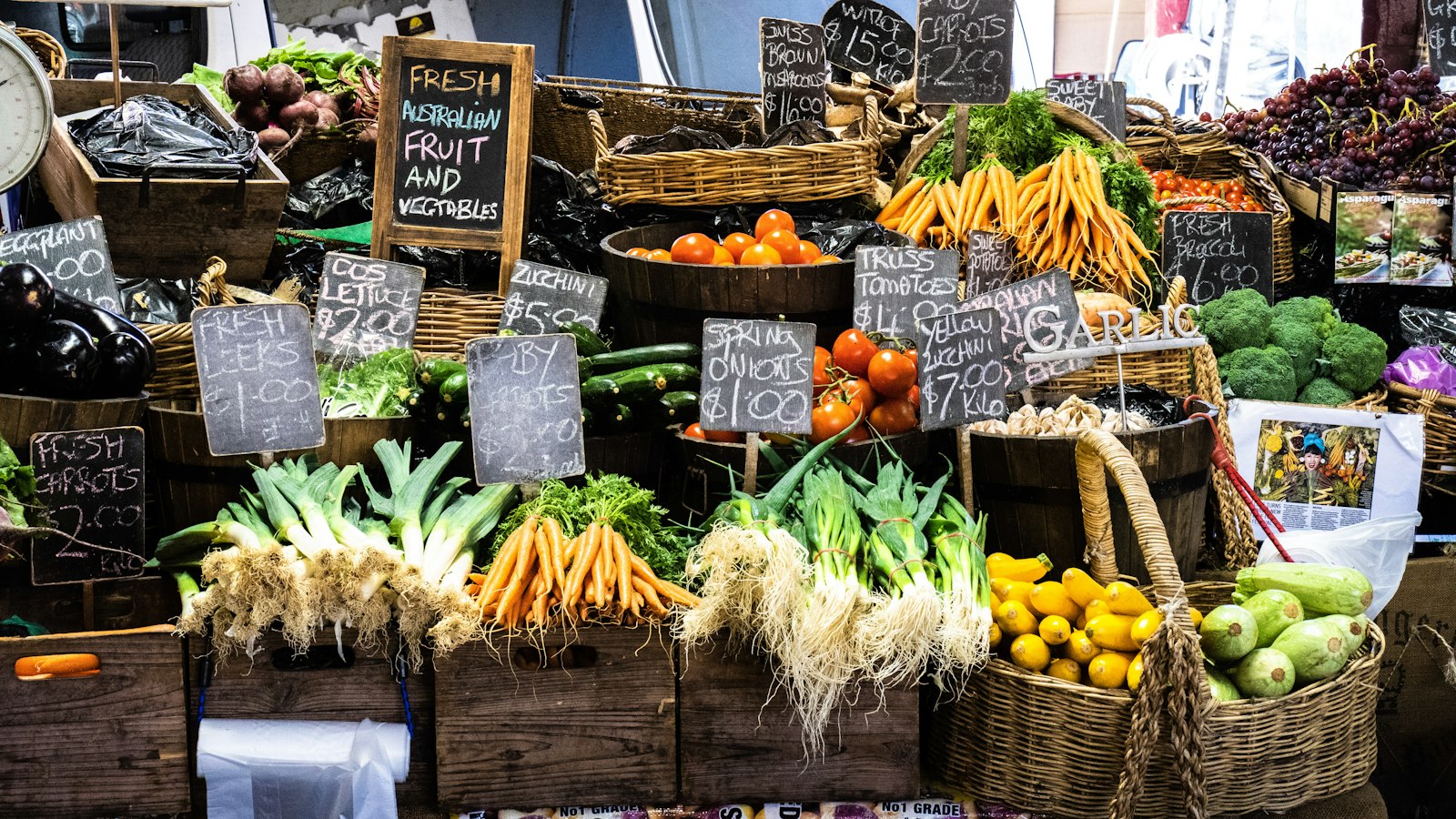
    Seasonal Eating: Why It Matters and How to Start

    Seasonal eating simply means choosing fruit and vegetables that are naturally harvested at the time of year you are eating them. It is how people ate for most of history, and it remains one of the easiest ways to bring more flavour and variety to your plate.

    Why eat with the seasons?

    Better flavour

    Produce harvested at its peak and sold soon after usually tastes sweeter and more vibrant. When food tastes good, eating more vegetables feels effortless.

    Good nutrition

    Fresh produce that has not travelled long distances or been stored for months can retain more of certain vitamins. Seasonal eating also encourages variety, which helps you get a broad range of nutrients and fibre.

    Kinder to your budget

    When a crop is plentiful, it is often cheaper. Building meals around what is abundant can lower your grocery bill.

    A connection to nature

    Following the seasons helps you notice natural rhythms — the first mangoes of summer, leafy greens in cooler months — and adds a sense of anticipation to everyday cooking.

    How to start

    • Visit a fresh market: notice what is piled high and well priced
    • Ask growers and sellers: they know what has just come in
    • Plan meals after shopping: buy what looks best, then decide what to cook
    • Cook simply: roasting, steaming or a quick stir-fry lets fresh produce shine
    • Preserve the surplus: freeze chopped vegetables, make chutneys or ferment

    Build a seasonal plate

    Use the balanced plate idea: half seasonal vegetables, a quarter protein, a quarter whole grains, plus a little healthy fat. Change the vegetables with the season and your meals will never feel repetitive.

    Be flexible

    Seasonal eating is a guide, not a rule. Frozen vegetables and fruit are frozen at their peak and are excellent, affordable options. Tinned beans and tomatoes are pantry heroes. The aim is more whole plants, more often.

    Our seasonal reset programme, described on our services page, is built around these ideas — simple cooking with whatever is fresh and plentiful.

    Key takeaways

    • Seasonal produce is often tastier, more affordable and varied
    • Let the market inspire your meals
    • Frozen and tinned produce are welcome allies
    • Variety across the year supports a healthy, fibre-rich diet

    This article is for general wellbeing education and is not medical advice. Please speak to your doctor before making changes if you have a health condition, are pregnant or take regular medication.
  • How Much Water Do You Really Need? Easy Hydration Habits

    How Much Water Do You Really Need? Easy Hydration Habits

    Water supports almost every process in the body, from temperature regulation and digestion to concentration and energy. Even mild dehydration can leave some people feeling tired, irritable or headachy. But how much do you actually need?

    There is no single magic number

    You may have heard “eight glasses a day”. It is a reasonable starting point, but needs vary widely. Many health authorities suggest that adults need roughly two to three litres of total fluid a day, including water from food — but your individual needs depend on several factors.

    What changes your needs

    • Hot or humid weather: you lose more fluid through sweat
    • Physical activity: drink more before, during and after exercise
    • Body size: larger bodies generally need more
    • Diet: fruit, vegetables, soups and curd-based dishes contribute fluid
    • Pregnancy, breastfeeding and illness: fever, vomiting and diarrhoea increase needs

    Simple signs you are well hydrated

    • Pale straw-coloured urine through the day
    • Rarely feeling very thirsty
    • Fewer headaches and less afternoon fatigue

    Easy hydration habits

    • Drink a glass of water after waking up
    • Keep a refillable bottle within reach at your desk
    • Have a glass with every meal
    • Add flavour naturally with lemon, lime, cucumber, mint or a few slices of ginger
    • Eat water-rich foods such as cucumber, watermelon, oranges and leafy greens
    • Link drinking to routines: before each meeting, after each bathroom break

    What about tea and coffee?

    Tea and coffee contribute to your daily fluid intake for most people. Herbal teas are a lovely caffeine-free option. Sugary drinks and juices add fluid but also extra sugar, so keep them occasional.

    Can you drink too much?

    It is rare, but drinking very large amounts in a short time can be harmful. People with heart or kidney conditions may be advised to limit fluids — follow your doctor’s guidance.

    Hydration is one of the simple foundations we cover in holistic health coaching. Small, steady habits often make the biggest difference.

    This article is for general wellbeing education and is not medical advice. Please speak to your doctor before making changes if you have a health condition, are pregnant or take regular medication.

  • Fermented Foods for Gut Health: A Beginner’s Guide

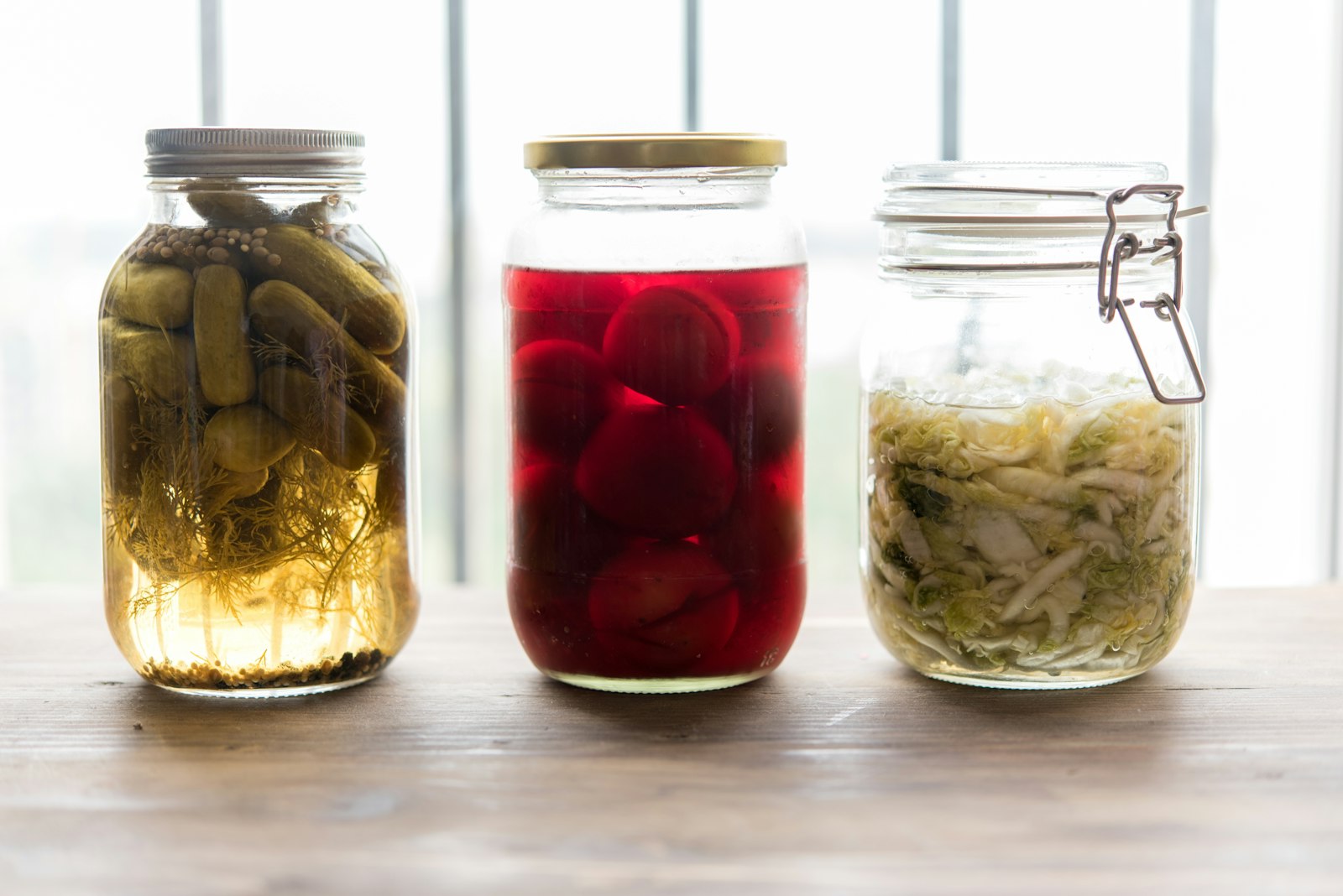
    Fermented Foods for Gut Health: A Beginner’s Guide

    Fermentation is one of the oldest ways of preserving food. Beneficial microbes transform sugars and starches, creating tangy flavours and — in many cases — live cultures. Research into the gut microbiome has renewed interest in these traditional foods, and some studies suggest that eating a variety of fermented foods may help increase the diversity of gut bacteria.

    Common fermented foods

    • Yoghurt and curd: choose plain versions with live cultures and add your own fruit
    • Kefir: a tangy fermented milk drink, also available in water-based versions
    • Sauerkraut and kimchi: fermented cabbage and vegetables; look for unpasteurised versions in the chilled section
    • Pickles fermented in brine: not vinegar pickles, which usually contain no live cultures
    • Fermented batters: such as those used for some traditional pancakes and steamed cakes
    • Miso and tempeh: fermented soy foods rich in flavour

    How fermented foods may support wellbeing

    Fermented foods can provide live microbes, and the fermentation process may make some nutrients easier to digest. They also tend to replace less nourishing, highly processed choices. However, research is still developing, and effects differ between people. Think of them as one helpful part of a varied, fibre-rich diet rather than a cure.

    Do not forget fibre

    Beneficial gut bacteria feed on fibre from plant foods. Beans, lentils, whole grains, vegetables, fruit, nuts and seeds all help. A plate that combines fermented foods with plenty of plants is ideal.

    How to start gently

    If you are new to fermented foods, begin with small amounts — a spoonful of sauerkraut or a small bowl of yoghurt — and increase gradually. Some people notice temporary bloating when they add new fermented or high-fibre foods.

    • Add a spoonful of kimchi or sauerkraut to rice bowls or salads
    • Enjoy plain yoghurt with breakfast or as a side to spicy meals
    • Use miso in soups and dressings, adding it at the end of cooking
    • Try a small glass of kefir as an afternoon snack

    Who should be careful?

    People with weakened immune systems, histamine intolerance or certain digestive conditions may need to limit fermented foods. Many fermented products are also high in salt. If you have a health condition, check with your doctor or dietitian first. Our nutrition guidance can help you introduce them in a way that suits you.

    Key takeaways

    • Fermented foods with live cultures can add variety and flavour to a gut-friendly diet
    • Pair them with plenty of fibre-rich plant foods
    • Start small and increase gradually
    • Seek advice if you have immune or digestive conditions

    This article is for general wellbeing education and is not medical advice. Please speak to your doctor before making changes if you have a health condition, are pregnant or take regular medication.