
Nature Heal Vibe logo

Category: Yoga & Breathwork

Gentle movement and breathing practices.

  • Gentle Yoga for Beginners: 8 Poses to Start a Home Practice

    Gentle Yoga for Beginners: 8 Poses to Start a Home Practice

    You do not need to be flexible to start yoga. A gentle home practice of ten to fifteen minutes can ease stiffness, improve posture and help you feel calmer. Move slowly, breathe through your nose and never force a stretch.

    Before you begin

    • Practise on a non-slip mat or rug, away from furniture
    • Wear comfortable clothes and practise on a relatively empty stomach
    • Use cushions or folded blankets for support
    • Stop if anything feels painful, sharp or makes you dizzy

    1. Mountain pose

    Stand with feet hip-width apart, weight even across both feet. Lengthen through the crown of your head and relax your shoulders. Take five slow breaths. It looks simple, but it teaches posture and balance.

    2. Cat–cow

    On hands and knees, inhale as you gently drop the belly and lift the chest (cow), exhale as you round the spine and tuck the chin (cat). Repeat six to eight times to warm up the spine.

    3. Child’s pose

    From hands and knees, bring your big toes together, widen your knees and sit your hips back towards your heels. Rest your forehead on the floor or a cushion. Breathe into your back for five to ten breaths.

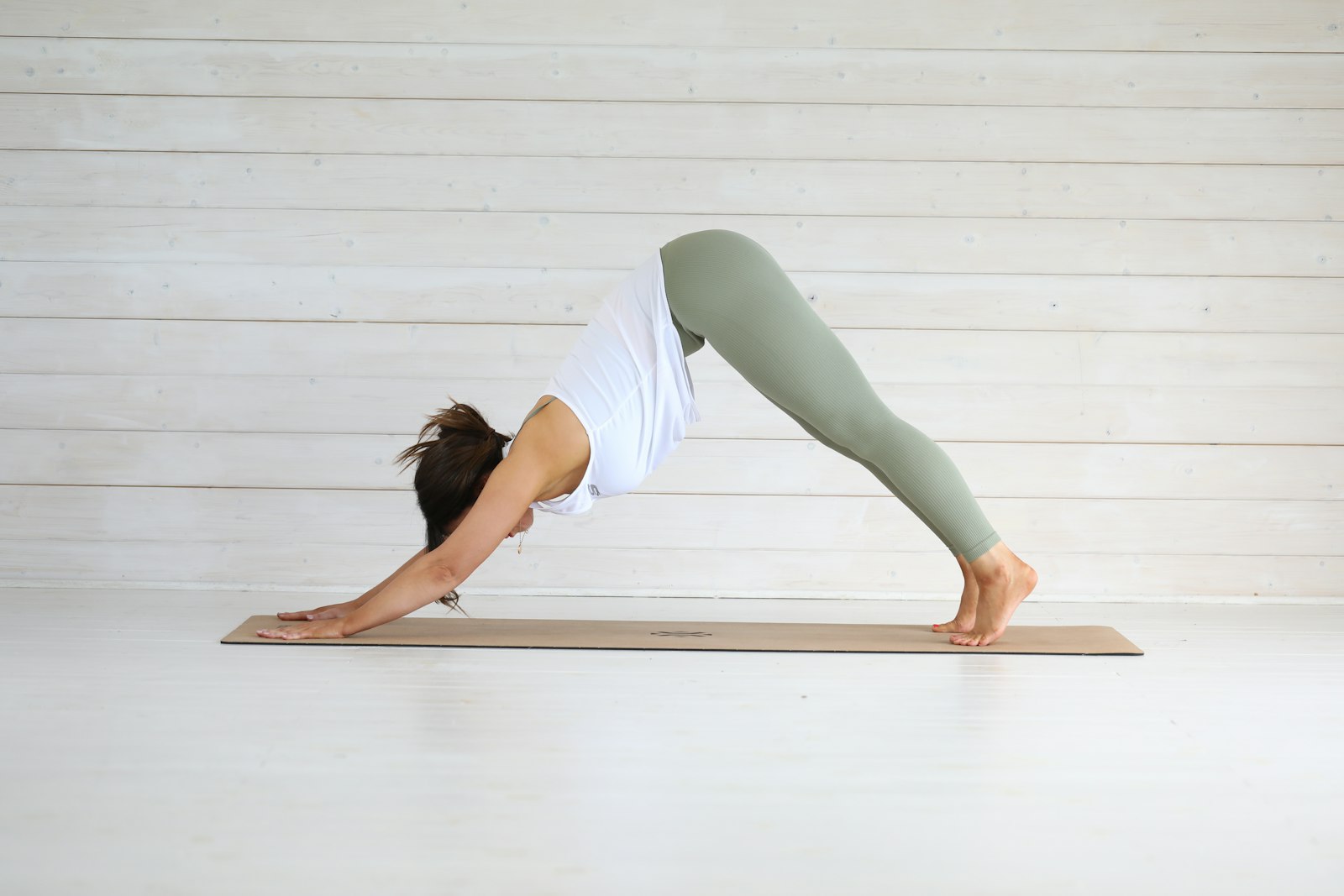
    4. Downward-facing dog

    From hands and knees, tuck your toes and lift your hips up and back, forming an upside-down V. Keep knees bent as much as you need. Hold for three to five breaths.

    5. Low lunge

    Step one foot forward between your hands and lower the back knee onto a cushion. Lift your chest and feel a gentle stretch at the front of the back hip. Five breaths each side.

    6. Seated forward fold

    Sit with legs extended and knees softly bent. Lengthen your spine as you inhale, then fold forward from the hips as you exhale, resting hands wherever they reach.

    7. Supported bridge

    Lie on your back, knees bent, feet flat. Lift your hips and slide a firm cushion or block under your lower back. Rest here for a minute, breathing slowly.

    8. Relaxation pose

    Lie on your back with arms by your sides and palms facing up. Close your eyes and let your body feel heavy for three to five minutes. This final rest helps the body absorb the practice.

    Putting it together

    Practise the poses in order, adding a few rounds of slow belly breathing at the start and end. Aim for three to five sessions a week. Over time, you will notice more ease in everyday movement.

    If you would like personal guidance and modifications, our yoga and breathwork sessions are designed for beginners. Please speak to your doctor before starting if you have an injury, recent surgery, high blood pressure or are pregnant.

    This article is for general wellbeing education and is not medical advice. Please speak to your doctor before making changes if you have a health condition, are pregnant or take regular medication.
  • 5 Breathing Techniques for Stress Relief You Can Use Anywhere

    5 Breathing Techniques for Stress Relief You Can Use Anywhere

    Your breath is one of the few parts of your nervous system you can influence directly. When you are stressed, breathing tends to become fast and shallow. Slowing it down — especially the exhale — can help signal to the body that it is safe to relax.

    These five techniques are simple, need no equipment and can be practised almost anywhere. Stop if you feel dizzy or uncomfortable and return to normal breathing.

    1. Belly (diaphragmatic) breathing

    Place one hand on your chest and one on your belly. Breathe in slowly through your nose, letting the belly rise while the chest stays relatively still. Breathe out gently. Practise for two to five minutes. This is the foundation for every other technique.

    2. Extended exhale breathing

    Inhale through the nose for a count of four, then exhale slowly for a count of six or eight. A longer exhale is associated with a calmer heart rate for many people. It is ideal before sleep or after a difficult conversation.

    3. Box breathing

    Inhale for four counts, hold for four, exhale for four, hold for four. Repeat for four to six rounds. The steady rhythm gives a busy mind something to focus on. If holding feels uncomfortable, shorten the holds.

    4. Alternate nostril breathing

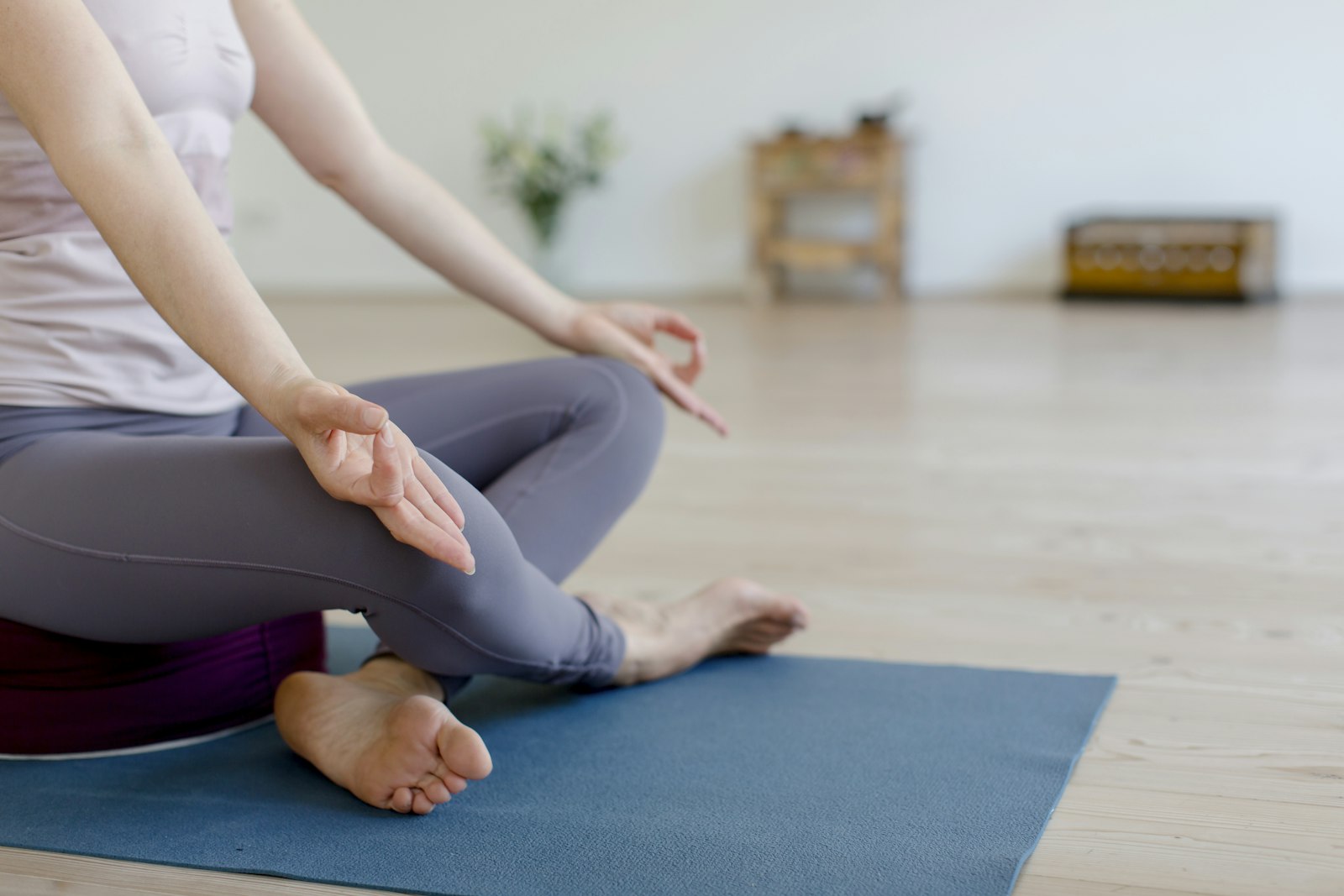
    Sit comfortably. Gently close the right nostril with your thumb and inhale through the left. Close the left with your ring finger, release the right and exhale. Inhale right, switch, exhale left. Continue for a few minutes. Many people find this balancing and focusing.

    5. The physiological sigh

    Take a normal breath in through the nose, then a second short “top-up” inhale, followed by a long, slow exhale through the mouth. One to three rounds can quickly ease a feeling of tension.

    When to use each technique

    • Before sleep: extended exhale or belly breathing
    • Before a meeting or presentation: box breathing
    • When you feel overwhelmed: the physiological sigh
    • For a focused reset: alternate nostril breathing

    Build a daily habit

    Breathing techniques work best when practised regularly, not only in emergencies. Try two minutes in the morning and two before bed for a week. If you would like personal guidance, our yoga and breathwork and mindfulness and stress relief sessions teach these practices step by step.

    If you have a heart, lung or blood-pressure condition, or are pregnant, speak to your doctor before practising breath holds.

    This article is for general wellbeing education and is not medical advice. Please speak to your doctor before making changes if you have a health condition, are pregnant or take regular medication.