

Nature Heal Vibe logo

Author: admin

  • Mindful Walking: A Moving Meditation for Busy Minds

    Mindful Walking: A Moving Meditation for Busy Minds

    Many people find sitting still to meditate frustrating, especially when the mind is busy. Mindful walking offers another way in. By paying gentle attention to the sensations of each step, you combine light movement with present-moment awareness — and often return feeling calmer and clearer.

    What is mindful walking?

    Mindful walking is walking with full attention. Instead of planning, replaying conversations or scrolling your phone, you notice your body moving, your breath and your surroundings. It can be done slowly in a quiet space, or at a normal pace on an everyday route.

    How to practise: a 10-minute guide

    1. Begin by standing still

    Feel your feet on the ground and the weight of your body. Take three slow breaths.

    2. Start walking slowly

    Notice the lifting, moving and placing of each foot. Feel the heel, then the sole, then the toes touch the ground.

    3. Sync with your breath

    You might take two or three steps on each inhale and the same on each exhale. Let it feel natural rather than forced.

    4. Widen your attention

    After a few minutes, include your surroundings: the colour of leaves, the feel of air on your skin, birdsong or distant traffic. Notice without judging.

    5. Return when the mind wanders

    It will wander — that is normal. Each time you notice, gently bring attention back to your feet. This returning is the practice.

    6. Finish with stillness

    Stop, stand for a moment and notice how you feel compared with when you began.

    Where to practise

    • A park, garden or quiet tree-lined path is ideal
    • A corridor or room at home works for slow walking
    • Your daily commute or a walk to the shop — just leave the headphones off for a few minutes

    Benefits people often notice

    • A calmer, less cluttered mind
    • Better awareness of tension in the body
    • A gentle energy boost without overstimulation
    • An easier route into a regular meditation habit

    Mindful walking combines beautifully with time in nature. If you would like guidance building a practice that fits your day, explore our mindfulness and stress relief sessions.

    Walk at a pace and on terrain that is safe for you, and stay aware of traffic and your surroundings.

    This article is for general wellbeing education and is not medical advice. Please speak to your doctor before making changes if you have a health condition, are pregnant or take regular medication.
  • How to Build a Balanced Green Smoothie (Without the Sugar Crash)

    How to Build a Balanced Green Smoothie (Without the Sugar Crash)

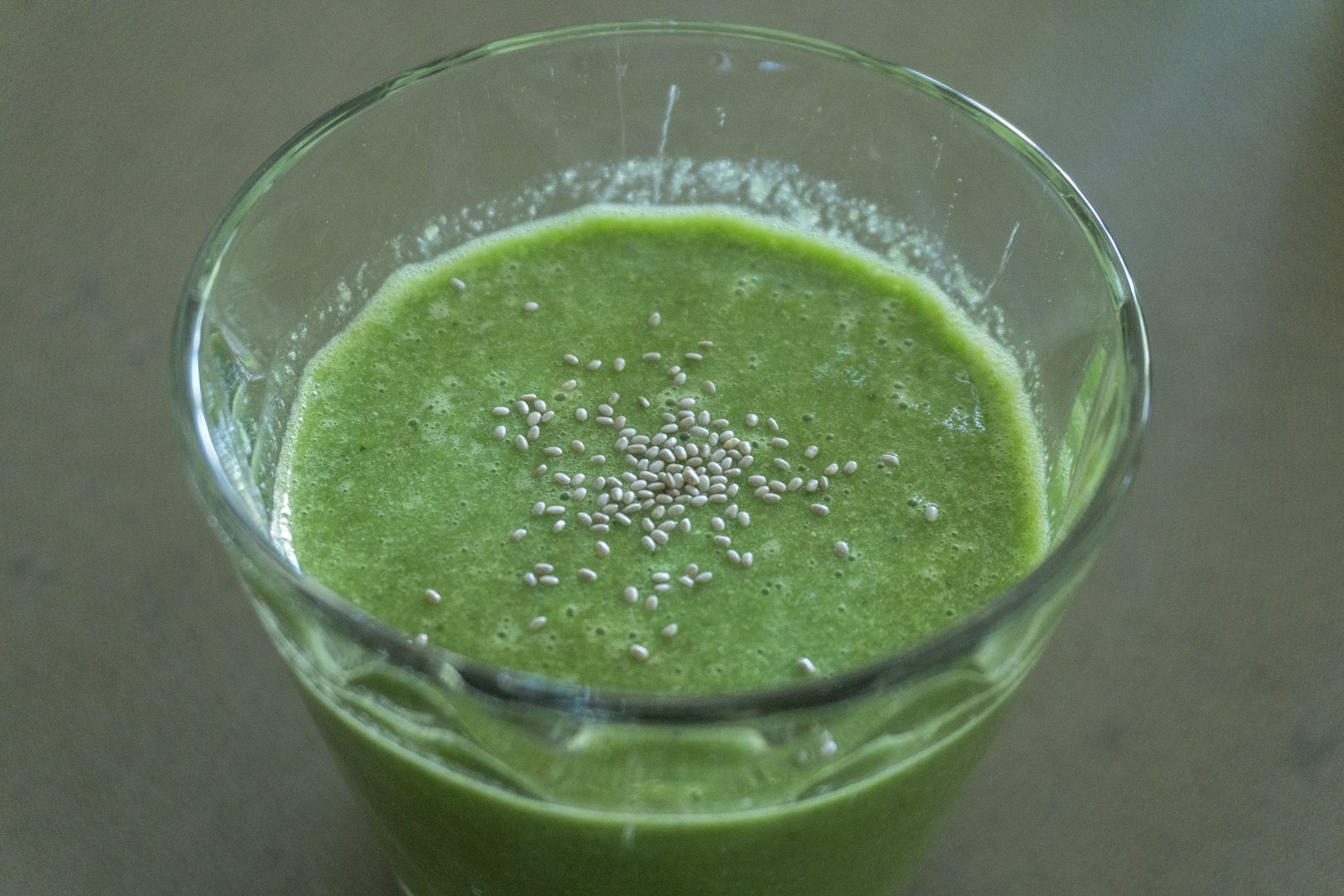
    Green smoothies can be a quick way to add vegetables to your day. But a blend made mostly of fruit and juice can be surprisingly high in sugar and leave you hungry an hour later. The secret is balance: greens, a modest amount of fruit, plus protein, fat and fibre.

    The balanced smoothie formula

    • 1–2 handfuls of leafy greens: spinach is mild; kale and other greens are stronger
    • ½–1 cup of fruit: banana, mango, berries, pineapple or apple
    • A source of protein: plain yoghurt, milk, soy milk, silken tofu or a spoon of nut butter
    • Healthy fat and fibre: chia seeds, flaxseed, avocado or a few nuts
    • Liquid: water, milk or an unsweetened plant milk, rather than fruit juice
    • Flavour boosters: fresh ginger, mint, cinnamon, lemon or lime

    Three easy combinations

    Fresh and zesty

    Spinach, half a green apple, cucumber, a squeeze of lime, a small piece of ginger, a spoon of chia seeds and water. Light and refreshing.

    Creamy and filling

    Spinach, half a banana, a tablespoon of peanut butter, a cup of milk or soy milk and a pinch of cinnamon. Ideal for breakfast.

    Tropical green

    A handful of greens, a little mango or pineapple, plain yoghurt, flaxseed and a few mint leaves.

    Tips for better smoothies

    • Blend greens with the liquid first for a smooth texture
    • Freeze ripe bananas and mango chunks for a cold, creamy result without ice
    • Drink your smoothie slowly, or enjoy it with a few nuts, to stay satisfied
    • Keep portions to about one large glass

    Smoothies are not a meal replacement for everyone

    Chewing whole foods helps fullness, so smoothies work best as one part of a varied diet. If you manage blood sugar, have kidney concerns or take blood-thinning medication (which can be affected by large changes in leafy greens), speak to your doctor before making smoothies a daily habit.

    Looking for more ways to build balanced meals? Our nutrition guidance sessions turn ideas like these into a simple weekly plan.

    This article is for general wellbeing education and is not medical advice. Please speak to your doctor before making changes if you have a health condition, are pregnant or take regular medication.

  • Gentle Yoga for Beginners: 8 Poses to Start a Home Practice

    Gentle Yoga for Beginners: 8 Poses to Start a Home Practice

    You do not need to be flexible to start yoga. A gentle home practice of ten to fifteen minutes can ease stiffness, improve posture and help you feel calmer. Move slowly, breathe through your nose and never force a stretch.

    Before you begin

    • Practise on a non-slip mat or rug, away from furniture
    • Wear comfortable clothes and practise on a relatively empty stomach
    • Use cushions or folded blankets for support
    • Stop if anything feels painful, sharp or makes you dizzy

    1. Mountain pose

    Stand with feet hip-width apart, weight even across both feet. Lengthen through the crown of your head and relax your shoulders. Take five slow breaths. It looks simple, but it teaches posture and balance.

    2. Cat–cow

    On hands and knees, inhale as you gently drop the belly and lift the chest (cow), exhale as you round the spine and tuck the chin (cat). Repeat six to eight times to warm up the spine.

    3. Child’s pose

    From hands and knees, bring your big toes together, widen your knees and sit your hips back towards your heels. Rest your forehead on the floor or a cushion. Breathe into your back for five to ten breaths.

    4. Downward-facing dog

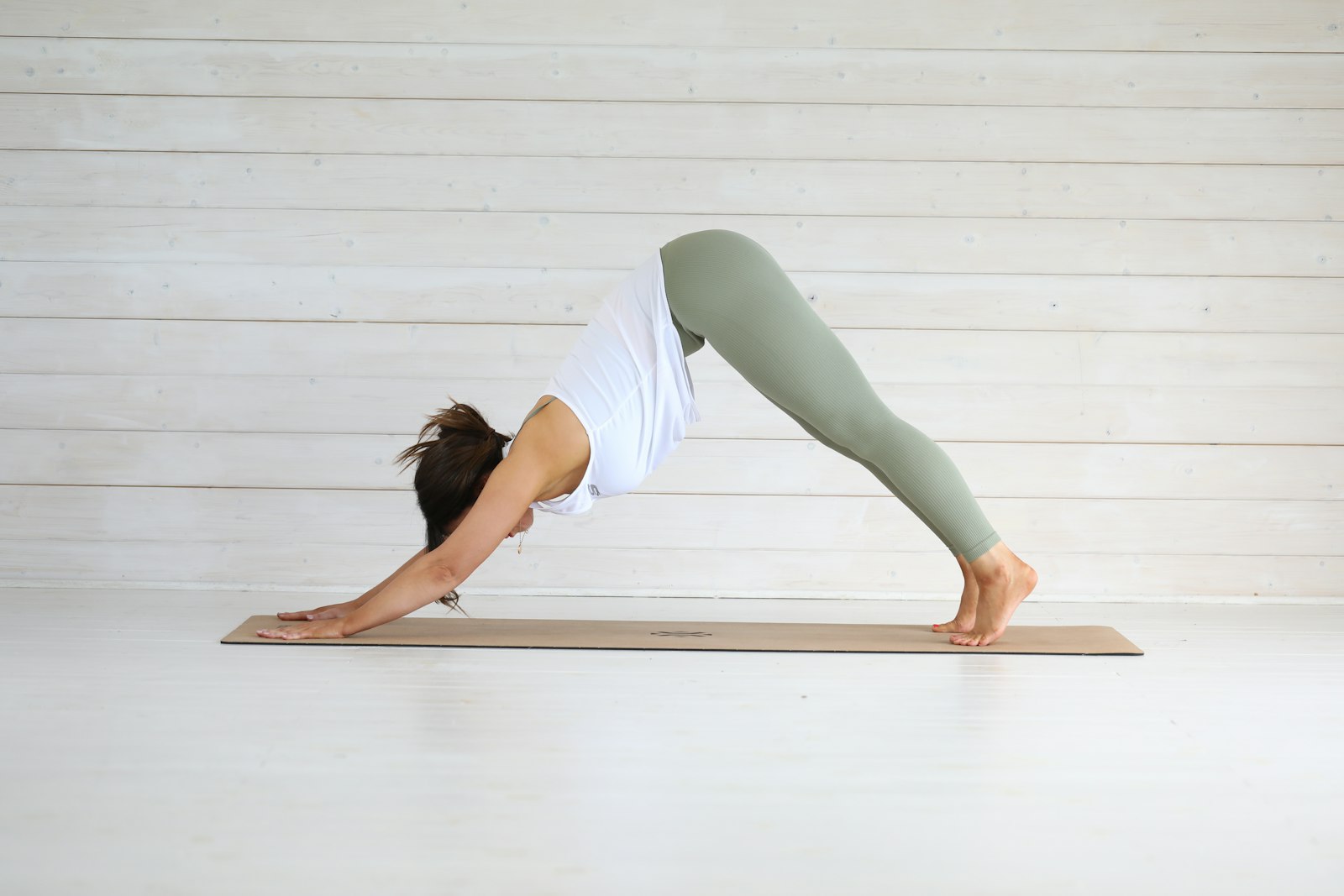
    From hands and knees, tuck your toes and lift your hips up and back, forming an upside-down V. Keep knees bent as much as you need. Hold for three to five breaths.

    5. Low lunge

    Step one foot forward between your hands and lower the back knee onto a cushion. Lift your chest and feel a gentle stretch at the front of the back hip. Five breaths each side.

    6. Seated forward fold

    Sit with legs extended and knees softly bent. Lengthen your spine as you inhale, then fold forward from the hips as you exhale, resting hands wherever they reach.

    7. Supported bridge

    Lie on your back, knees bent, feet flat. Lift your hips and slide a firm cushion or block under your lower back. Rest here for a minute, breathing slowly.

    8. Relaxation pose

    Lie on your back with arms by your sides and palms facing up. Close your eyes and let your body feel heavy for three to five minutes. This final rest helps the body absorb the practice.

    Putting it together

    Practise the poses in order, adding a few rounds of slow belly breathing at the start and end. Aim for three to five sessions a week. Over time, you will notice more ease in everyday movement.

    If you would like personal guidance and modifications, our yoga and breathwork sessions are designed for beginners. Please speak to your doctor before starting if you have an injury, recent surgery, high blood pressure or are pregnant.

    This article is for general wellbeing education and is not medical advice. Please speak to your doctor before making changes if you have a health condition, are pregnant or take regular medication.

  • Journaling for Mental Clarity: 12 Prompts to Start Today

    Journaling for Mental Clarity: 12 Prompts to Start Today

    When your mind feels crowded with tasks, worries and half-finished thoughts, putting them on paper can bring surprising relief. Journaling is a simple, low-cost practice that helps many people process emotions, notice patterns and make clearer decisions.

    Why journaling helps

    Writing slows thinking down. It turns vague, circling worries into concrete words you can look at — and often, once something is written, it feels more manageable. Research on expressive writing and gratitude journaling suggests potential benefits for mood and stress for many people, although effects vary.

    How to start (five minutes is enough)

    • Choose a time: morning to set intentions, or evening to unload the day
    • Keep it simple: a notebook and pen, or a notes app if you prefer
    • Set a timer: five minutes removes the pressure to write a lot
    • Forget grammar: nobody else needs to read it
    • Use a prompt: a question gives your mind a starting point

    12 prompts for clarity and calm

    For mornings

    • What would make today feel good, even if only one thing goes well?
    • What am I looking forward to?
    • What is the most important task today, and what is its first small step?
    • How do I want to treat myself and others today?

    For evenings

    • What drained my energy today, and what restored it?
    • What is still on my mind? Can I write it down and let it rest until tomorrow?
    • Three things I am grateful for today
    • What did I learn about myself?

    For difficult days

    • What am I feeling right now, and where do I notice it in my body?
    • What would I say to a friend going through this?
    • What is within my control, and what is not?
    • What is one kind thing I can do for myself in the next hour?

    Make it a habit

    Link journaling to something you already do — after your morning tea, or just before switching off the light. Keep your notebook visible. Missing a day does not matter; simply return the next.

    Journaling pairs beautifully with breathing and meditation. In our mindfulness and stress relief sessions, we offer personalised prompts and help you use writing as a tool for calm.

    If journaling brings up overwhelming emotions or persistent low mood, please reach out to a doctor or qualified mental health professional.

    This article is for general wellbeing education and is not medical advice. Please speak to your doctor before making changes if you have a health condition, are pregnant or take regular medication.

  • Seasonal Eating: Why It Matters and How to Start

    Seasonal Eating: Why It Matters and How to Start

    Seasonal eating simply means choosing fruit and vegetables that are naturally harvested at the time of year you are eating them. It is how people ate for most of history, and it remains one of the easiest ways to bring more flavour and variety to your plate.

    Why eat with the seasons?

    Better flavour

    Produce harvested at its peak and sold soon after usually tastes sweeter and more vibrant. When food tastes good, eating more vegetables feels effortless.

    Good nutrition

    Fresh produce that has not travelled long distances or been stored for months can retain more of certain vitamins. Seasonal eating also encourages variety, which helps you get a broad range of nutrients and fibre.

    Kinder to your budget

    When a crop is plentiful, it is often cheaper. Building meals around what is abundant can lower your grocery bill.

    A connection to nature

    Following the seasons helps you notice natural rhythms — the first mangoes of summer, leafy greens in cooler months — and adds a sense of anticipation to everyday cooking.

    How to start

    • Visit a fresh market: notice what is piled high and well priced
    • Ask growers and sellers: they know what has just come in
    • Plan meals after shopping: buy what looks best, then decide what to cook
    • Cook simply: roasting, steaming or a quick stir-fry lets fresh produce shine
    • Preserve the surplus: freeze chopped vegetables, make chutneys or ferment

    Build a seasonal plate

    Use the balanced plate idea: half seasonal vegetables, a quarter protein, a quarter whole grains, plus a little healthy fat. Change the vegetables with the season and your meals will never feel repetitive.

    Be flexible

    Seasonal eating is a guide, not a rule. Frozen vegetables and fruit are frozen at their peak and are excellent, affordable options. Tinned beans and tomatoes are pantry heroes. The aim is more whole plants, more often.

    Our seasonal reset programme, described on our services page, is built around these ideas — simple cooking with whatever is fresh and plentiful.

    Key takeaways

    • Seasonal produce is often tastier, more affordable and varied
    • Let the market inspire your meals
    • Frozen and tinned produce are welcome allies
    • Variety across the year supports a healthy, fibre-rich diet

    This article is for general wellbeing education and is not medical advice. Please speak to your doctor before making changes if you have a health condition, are pregnant or take regular medication.

  • How Much Water Do You Really Need? Easy Hydration Habits

    How Much Water Do You Really Need? Easy Hydration Habits

    Water supports almost every process in the body, from temperature regulation and digestion to concentration and energy. Even mild dehydration can leave some people feeling tired, irritable or headachy. But how much do you actually need?

    There is no single magic number

    You may have heard “eight glasses a day”. It is a reasonable starting point, but needs vary widely. Many health authorities suggest that adults need roughly two to three litres of total fluid a day, including water from food — but your individual needs depend on several factors.

    What changes your needs

    • Hot or humid weather: you lose more fluid through sweat
    • Physical activity: drink more before, during and after exercise
    • Body size: larger bodies generally need more
    • Diet: fruit, vegetables, soups and curd-based dishes contribute fluid
    • Pregnancy, breastfeeding and illness: fever, vomiting and diarrhoea increase needs

    Simple signs you are well hydrated

    • Pale straw-coloured urine through the day
    • Rarely feeling very thirsty
    • Fewer headaches and less afternoon fatigue

    Easy hydration habits

    • Drink a glass of water after waking up
    • Keep a refillable bottle within reach at your desk
    • Have a glass with every meal
    • Add flavour naturally with lemon, lime, cucumber, mint or a few slices of ginger
    • Eat water-rich foods such as cucumber, watermelon, oranges and leafy greens
    • Link drinking to routines: before each meeting, after each bathroom break

    What about tea and coffee?

    Tea and coffee contribute to your daily fluid intake for most people. Herbal teas are a lovely caffeine-free option. Sugary drinks and juices add fluid but also extra sugar, so keep them occasional.

    Can you drink too much?

    It is rare, but drinking very large amounts in a short time can be harmful. People with heart or kidney conditions may be advised to limit fluids — follow your doctor’s guidance.

    Hydration is one of the simple foundations we cover in holistic health coaching. Small, steady habits often make the biggest difference.

    This article is for general wellbeing education and is not medical advice. Please speak to your doctor before making changes if you have a health condition, are pregnant or take regular medication.
  • Why Time in Nature Is Good for You — and Simple Ways to Get More

    Why Time in Nature Is Good for You — and Simple Ways to Get More

    Many of us spend most of the day indoors, under artificial light, looking at screens. Yet a growing body of research links time in nature with lower perceived stress, improved mood and better wellbeing. You do not need a mountain retreat to benefit — parks, gardens, tree-lined streets and even houseplants can help.

    What research suggests

    Studies of people spending time in green spaces have reported benefits such as reduced feelings of stress, better mood and a greater sense of restoration. Some research suggests that around two hours a week in nature, spread across one or several visits, is associated with better self-reported health and wellbeing. Scientists are still exploring exactly why, but likely factors include physical activity, fresh air, daylight, social connection and a break from mental demands.

    Simple ways to get more green time

    • Walk a greener route: choose a path through a park or tree-lined street, even if it takes a few extra minutes
    • Take meetings or calls outside: walking phone calls are an easy win
    • Eat lunch outdoors: a bench, balcony or garden works perfectly
    • Grow something: herbs on a windowsill or a few pots on a balcony connect you with natural rhythms
    • Plan a weekly nature outing: a longer walk, picnic or visit to a botanical garden

    Make it mindful

    You will likely gain more from time outdoors if you are present for it. Try leaving your headphones at home for part of the walk. Notice five things you can see, four you can hear, three you can feel, two you can smell and one you are grateful for. Our article on mindful walking explores this further, and our mindfulness sessions teach simple ways to bring attention to the present moment.

    Bring nature indoors

    On busy days, small touches help: open the window for fresh air, sit near natural light, keep plants on your desk, or look at views of trees and sky during breaks.

    Stay safe outdoors

    Choose well-lit, familiar areas, protect yourself from strong sun and heat, stay hydrated and wear comfortable footwear. If you have mobility challenges, a garden or accessible park path is just as valuable.

    Key takeaways

    • Regular time in green spaces is linked with lower stress and better mood
    • Aim for around two hours a week, in whatever chunks suit you
    • Small daily doses — greener routes, outdoor lunches — add up
    • Being present multiplies the benefits

    This article is for general wellbeing education and is not medical advice. Please speak to your doctor before making changes if you have a health condition, are pregnant or take regular medication.

  • Fermented Foods for Gut Health: A Beginner’s Guide

    Fermented Foods for Gut Health: A Beginner’s Guide

    Fermentation is one of the oldest ways of preserving food. Beneficial microbes transform sugars and starches, creating tangy flavours and — in many cases — live cultures. Research into the gut microbiome has renewed interest in these traditional foods, and some studies suggest that eating a variety of fermented foods may help increase the diversity of gut bacteria.

    Common fermented foods

    • Yoghurt and curd: choose plain versions with live cultures and add your own fruit
    • Kefir: a tangy fermented milk drink, also available in water-based versions
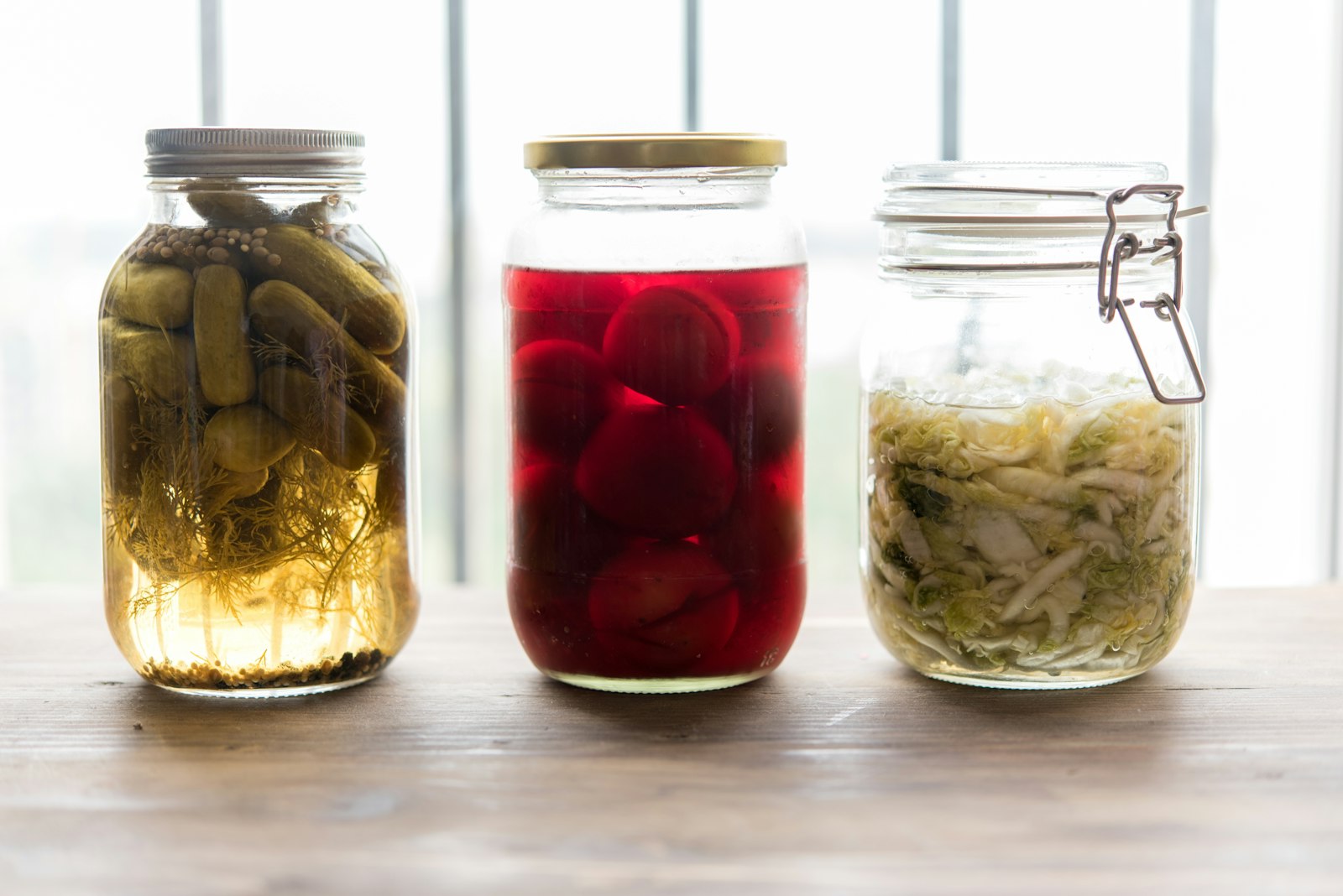
    • Sauerkraut and kimchi: fermented cabbage and vegetables; look for unpasteurised versions in the chilled section
    • Pickles fermented in brine: not vinegar pickles, which usually contain no live cultures
    • Fermented batters: such as those used for some traditional pancakes and steamed cakes
    • Miso and tempeh: fermented soy foods rich in flavour

    How fermented foods may support wellbeing

    Fermented foods can provide live microbes, and the fermentation process may make some nutrients easier to digest. They also tend to replace less nourishing, highly processed choices. However, research is still developing, and effects differ between people. Think of them as one helpful part of a varied, fibre-rich diet rather than a cure.

    Do not forget fibre

    Beneficial gut bacteria feed on fibre from plant foods. Beans, lentils, whole grains, vegetables, fruit, nuts and seeds all help. A plate that combines fermented foods with plenty of plants is ideal.

    How to start gently

    If you are new to fermented foods, begin with small amounts — a spoonful of sauerkraut or a small bowl of yoghurt — and increase gradually. Some people notice temporary bloating when they add new fermented or high-fibre foods.

    • Add a spoonful of kimchi or sauerkraut to rice bowls or salads
    • Enjoy plain yoghurt with breakfast or as a side to spicy meals
    • Use miso in soups and dressings, adding it at the end of cooking
    • Try a small glass of kefir as an afternoon snack

    Who should be careful?

    People with weakened immune systems, histamine intolerance or certain digestive conditions may need to limit fermented foods. Many fermented products are also high in salt. If you have a health condition, check with your doctor or dietitian first. Our nutrition guidance can help you introduce them in a way that suits you.

    Key takeaways

    • Fermented foods with live cultures can add variety and flavour to a gut-friendly diet
    • Pair them with plenty of fibre-rich plant foods
    • Start small and increase gradually
    • Seek advice if you have immune or digestive conditions

    This article is for general wellbeing education and is not medical advice. Please speak to your doctor before making changes if you have a health condition, are pregnant or take regular medication.

  • Natural Sleep Hygiene: 10 Habits for Deeper, More Restful Sleep

    Natural Sleep Hygiene: 10 Habits for Deeper, More Restful Sleep

    Good sleep is the foundation of energy, mood, focus and healthy appetite. Yet many of us spend the day running on adrenaline and the evening scrolling until our eyes close. “Sleep hygiene” simply means the daily habits and environment that make restful sleep more likely.

    You do not need to adopt all ten habits below. Choose two or three that feel realistic and build from there.

    Daytime habits

    1. Get outdoor light early

    Morning daylight helps set your internal clock, which influences when you feel sleepy at night. Aim for ten minutes outside or by a bright window soon after waking.

    2. Keep a consistent wake-up time

    Waking at roughly the same time every day — including weekends — is one of the most effective ways to stabilise sleep. Bedtime tends to follow.

    3. Move your body

    Regular physical activity supports deeper sleep. Gentle evening yoga or stretching can help, while very intense exercise close to bedtime keeps some people awake.

    4. Watch caffeine timing

    Caffeine can stay in your system for many hours. Many people sleep better if they have their last tea or coffee before early afternoon.

    Evening habits

    5. Eat dinner a little earlier

    A large, late meal can make it harder to settle. Try to finish eating two to three hours before bed, and keep late snacks light.

    6. Dim the lights

    Lowering the lights in the last hour of the evening tells your body that night is approaching. Warm, low lamps are better than bright overhead lighting.

    7. Create a screen buffer

    Phones and laptops keep the mind engaged. Put devices away thirty to sixty minutes before bed, or at least switch on night mode and avoid stressful content.

    8. Build a wind-down ritual

    A predictable routine — a warm shower, a cup of chamomile tea, light stretching, a few pages of a book — becomes a cue for sleep. Our mindfulness and stress relief sessions include personalised wind-down plans.

    Bedroom environment

    9. Keep it cool, dark and quiet

    A slightly cool room, blackout curtains or an eye mask, and earplugs or gentle background sound can all help.

    10. Reserve your bed for rest

    If you cannot sleep after about twenty minutes, get up and do something calm in dim light until you feel sleepy. This helps your brain associate bed with sleep rather than frustration.

    When to seek help

    Persistent insomnia, loud snoring, gasping during sleep or excessive daytime sleepiness can signal a medical issue. Please speak to your doctor if these apply to you.

    Key takeaways

    • Consistent wake times and morning light anchor your body clock
    • Caffeine timing, earlier dinners and dim evenings make sleep easier
    • A short, repeatable wind-down routine is a powerful sleep cue
    • See a doctor for persistent or severe sleep problems

    This article is for general wellbeing education and is not medical advice. Please speak to your doctor before making changes if you have a health condition, are pregnant or take regular medication.