

Nature Heal Vibe logo

Author: admin

  • Turmeric and Ginger: Benefits, Everyday Uses and Safety Tips

    Turmeric and Ginger: Benefits, Everyday Uses and Safety Tips

    Turmeric and ginger are close botanical relatives and have been used in cooking and traditional wellness practices for centuries. Today they are among the most researched culinary spices. Used sensibly, they are a flavourful way to make meals more nourishing.

    What is special about turmeric?

    Turmeric’s golden colour comes from compounds called curcuminoids, the most studied of which is curcumin. Laboratory and human studies have explored curcumin’s antioxidant and anti-inflammatory properties. However, curcumin is poorly absorbed on its own, and many studies use concentrated extracts rather than the amounts found in food.

    Tips for using turmeric

    • Combine it with black pepper, which contains piperine and may improve absorption
    • Cook it in a little oil or ghee, since curcumin is fat-soluble
    • Add it to lentils, vegetable dishes, rice, soups and scrambled eggs

    What about ginger?

    Ginger contains gingerols and shogaols, which give it its warming bite. Research suggests ginger may help ease some types of nausea, and it is traditionally used to support comfortable digestion.

    Tips for using ginger

    • Grate fresh ginger into stir-fries, dals, soups and dressings
    • Simmer slices in water for a warming tea
    • Add a little to smoothies for brightness

    A simple golden milk recipe

    Warm one cup of milk or a plant-based alternative with half a teaspoon of ground turmeric, a few slices of fresh ginger, a pinch of black pepper and a small piece of cinnamon. Simmer gently for five minutes, strain and sweeten lightly with honey if desired.

    Food amounts versus supplements

    Using turmeric and ginger in cooking is considered safe for most people. Concentrated supplements are different: they can interact with blood-thinning medicines, diabetes medication and some other drugs, and may not be suitable before surgery, during pregnancy, or with gallbladder problems.

    Always talk to your doctor or pharmacist before taking turmeric or ginger supplements. In our nutrition and herbal guidance sessions, we focus on food-level amounts and check for interactions first.

    Key takeaways

    • Turmeric and ginger add flavour, colour and variety to meals
    • Pair turmeric with black pepper and healthy fat
    • Food amounts are generally safe; supplements need professional advice
    • They support a healthy diet but are not a cure for any condition

    This article is for general wellbeing education and is not medical advice. Please speak to your doctor before making changes if you have a health condition, are pregnant or take regular medication.
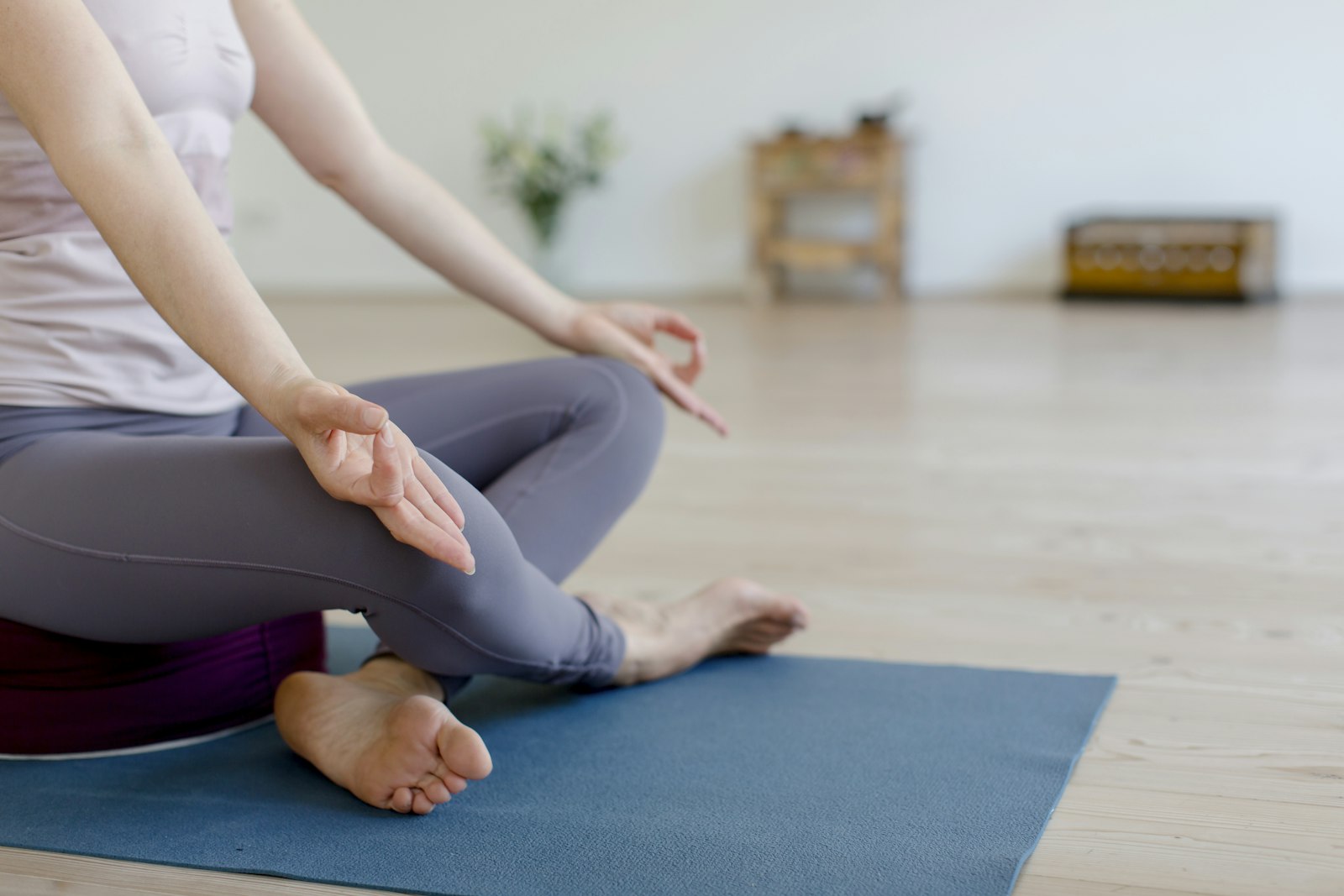

  • 5 Breathing Techniques for Stress Relief You Can Use Anywhere

    5 Breathing Techniques for Stress Relief You Can Use Anywhere

    Your breath is one of the few parts of your nervous system you can influence directly. When you are stressed, breathing tends to become fast and shallow. Slowing it down — especially the exhale — can help signal to the body that it is safe to relax.

    These five techniques are simple, need no equipment and can be practised almost anywhere. Stop if you feel dizzy or uncomfortable and return to normal breathing.

    1. Belly (diaphragmatic) breathing

    Place one hand on your chest and one on your belly. Breathe in slowly through your nose, letting the belly rise while the chest stays relatively still. Breathe out gently. Practise for two to five minutes. This is the foundation for every other technique.

    2. Extended exhale breathing

    Inhale through the nose for a count of four, then exhale slowly for a count of six or eight. A longer exhale is associated with a calmer heart rate for many people. It is ideal before sleep or after a difficult conversation.

    3. Box breathing

    Inhale for four counts, hold for four, exhale for four, hold for four. Repeat for four to six rounds. The steady rhythm gives a busy mind something to focus on. If holding feels uncomfortable, shorten the holds.

    4. Alternate nostril breathing

    Sit comfortably. Gently close the right nostril with your thumb and inhale through the left. Close the left with your ring finger, release the right and exhale. Inhale right, switch, exhale left. Continue for a few minutes. Many people find this balancing and focusing.

    5. The physiological sigh

    Take a normal breath in through the nose, then a second short “top-up” inhale, followed by a long, slow exhale through the mouth. One to three rounds can quickly ease a feeling of tension.

    When to use each technique

    • Before sleep: extended exhale or belly breathing
    • Before a meeting or presentation: box breathing
    • When you feel overwhelmed: the physiological sigh
    • For a focused reset: alternate nostril breathing

    Build a daily habit

    Breathing techniques work best when practised regularly, not only in emergencies. Try two minutes in the morning and two before bed for a week. If you would like personal guidance, our yoga and breathwork and mindfulness and stress relief sessions teach these practices step by step.

    If you have a heart, lung or blood-pressure condition, or are pregnant, speak to your doctor before practising breath holds.

    This article is for general wellbeing education and is not medical advice. Please speak to your doctor before making changes if you have a health condition, are pregnant or take regular medication.

  • 7 Gentle Herbal Teas for Digestion and Calm

    7 Gentle Herbal Teas for Digestion and Calm

    A warm cup of herbal tea is one of the simplest rituals for slowing down. Many herbs have long traditions of use for comfortable digestion and relaxation, and some have been studied in modern research. While herbal teas are not a treatment for medical conditions, they can be a pleasant, caffeine-free part of a healthy routine.

    1. Ginger

    Fresh ginger tea is warming and aromatic. It has traditionally been used for nausea and sluggish digestion. Slice a thumb-sized piece of fresh ginger, simmer in water for ten minutes and add a little lemon or honey if you like.

    2. Peppermint

    Peppermint tea is refreshing after meals and is commonly used for occasional bloating. People with acid reflux sometimes find peppermint makes symptoms worse, so notice how you feel.

    3. Fennel

    Fennel seeds have a gentle, slightly sweet aniseed flavour. Lightly crush a teaspoon of seeds and steep in hot water for eight to ten minutes. Fennel is a traditional after-meal tea in many cultures.

    4. Chamomile

    Chamomile is one of the best-known calming teas and a popular choice in the evening. People with allergies to plants in the daisy family should be cautious.

    5. Holy basil (tulsi)

    Holy basil has a peppery, clove-like aroma and is valued in traditional practice as a calming, restorative herb. Enjoy it occasionally as a pleasant alternative to black tea.

    6. Lemon balm

    A member of the mint family with a soft lemon scent, lemon balm is traditionally used for relaxation and is lovely combined with chamomile.

    7. Cinnamon

    A cinnamon stick simmered in water makes a naturally sweet, warming drink. Ceylon cinnamon is usually preferred for regular use.

    How to brew herbal tea well

    • Use freshly boiled water and cover the cup while steeping to keep aromatic oils in
    • Steep leaves and flowers for five to eight minutes, and roots or seeds for ten or more
    • Start with one cup a day and notice how you feel
    • Choose loose herbs or good-quality tea bags without added flavourings

    Safety first

    Natural does not always mean safe for everyone. Some herbs can interact with medicines or be unsuitable during pregnancy and breastfeeding. If you take regular medication, have a health condition, or are pregnant, check with your doctor or pharmacist before drinking herbal teas regularly. In our nutrition and herbal guidance sessions, we screen for these factors before making any suggestions.

    Key takeaways

    • Ginger, peppermint and fennel are popular after-meal teas
    • Chamomile, lemon balm and holy basil are traditional calming choices
    • Steep covered, start gently and pay attention to your body
    • Always check safety if you take medication or are pregnant

    This article is for general wellbeing education and is not medical advice. Please speak to your doctor before making changes if you have a health condition, are pregnant or take regular medication.
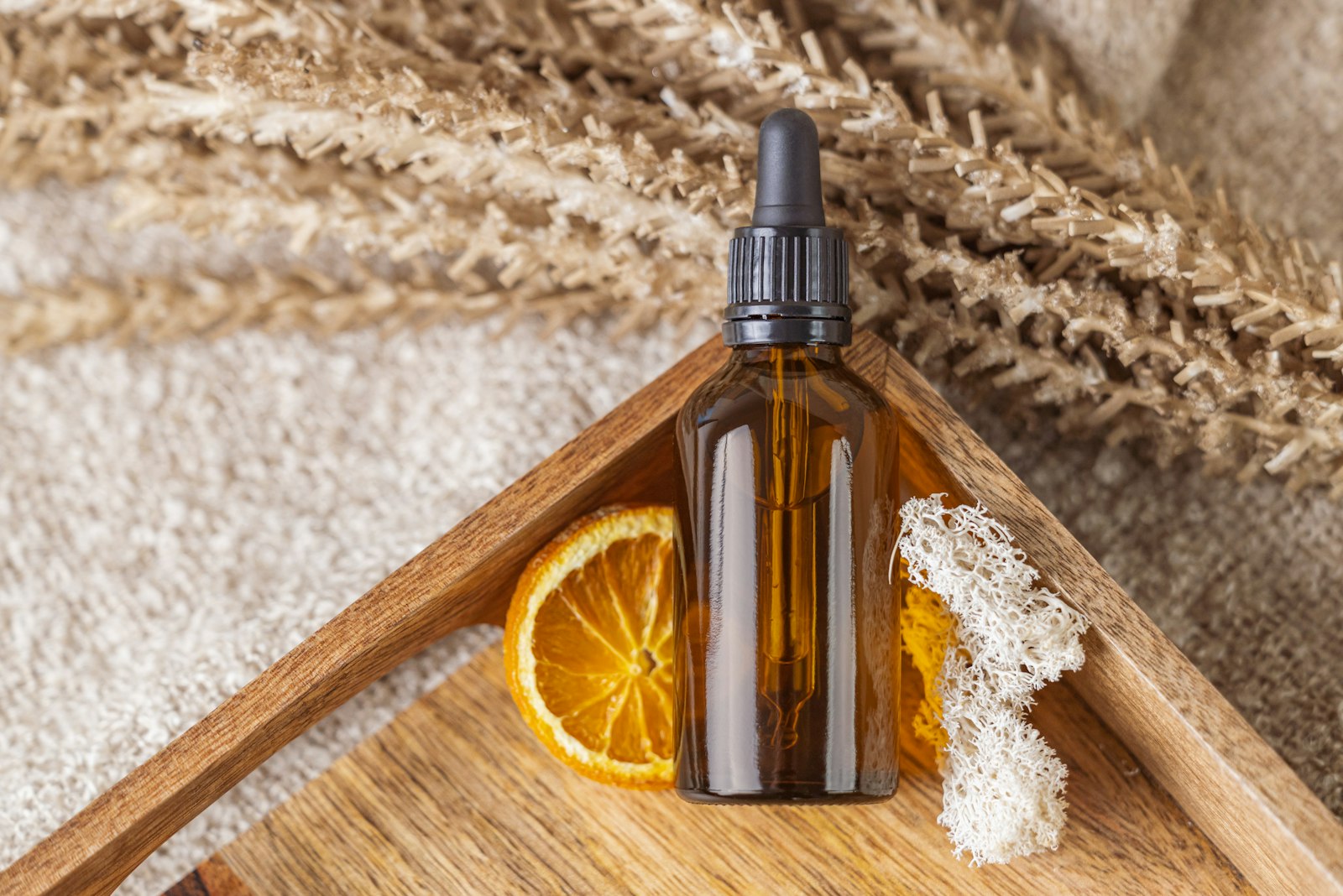
  • A Simple Morning Routine for Natural Energy (No Extra Coffee Needed)

    A Simple Morning Routine for Natural Energy (No Extra Coffee Needed)

    If you wake up tired and reach straight for your phone and a strong coffee, you are not alone. But the first hour of the day has an outsized effect on how you feel until evening. A few small, natural habits can help your body shift from sleep mode into steady, focused energy — without the mid-morning crash.

    Here is a simple routine our clients use. It takes around twenty minutes, needs no equipment and can be adapted to almost any schedule.

    1. Get daylight in the first 30 minutes

    Natural light is one of the strongest signals your body clock receives. Stepping outside, opening the curtains wide or sitting by a bright window for five to ten minutes helps your body recognise that the day has begun. Many people find this makes it easier to fall asleep at night, too.

    2. Drink a glass of water before anything else

    After a night without fluids, mild dehydration can contribute to grogginess and headaches. Keep a glass of water by your bed or the kitchen sink and drink it before tea or coffee. A squeeze of lemon or a few mint leaves is optional.

    3. Move for five minutes

    You do not need a full workout. Gentle movement increases circulation and loosens stiffness from sleep. Try:

    • Ten slow shoulder rolls in each direction
    • Five cat–cow stretches on hands and knees
    • A slow forward fold with soft knees
    • A short walk around your home or garden

    4. Practise two minutes of steady breathing

    Sit tall, relax your shoulders and breathe slowly through your nose, letting the belly expand on each inhale. Aim for six to eight breaths per minute. This simple practice helps many people feel calmer and more alert at the same time. You can learn more techniques in our yoga and breathwork sessions.

    5. Eat a breakfast with protein and fibre

    A breakfast built mainly on refined carbohydrates can leave you hungry and sluggish by mid-morning. Adding protein and fibre helps keep energy steady. Simple options include:

    • Eggs with whole-grain toast and sliced tomato
    • Oats cooked with milk or yoghurt, topped with nuts and fruit
    • Lentil or chickpea dishes with vegetables
    • Plain yoghurt with seeds and berries

    6. Have your coffee or tea a little later

    There is nothing wrong with enjoying coffee or tea. Some people find that having it after breakfast, rather than on an empty stomach, feels gentler and helps avoid jitters.

    Making it stick

    Do not try to add everything at once. Choose one or two steps for the first week, then add another. Link each habit to something you already do — water after switching off your alarm, stretching while the kettle boils. If you would like help designing a routine around your real schedule, our holistic health coaching can help.

    Key takeaways

    • Morning light and water are the simplest energy boosters
    • Five minutes of movement and two minutes of breathing go a long way
    • A breakfast with protein and fibre supports steady energy
    • Build the routine gradually so it lasts

    This article is for general wellbeing education and is not medical advice. Please speak to your doctor before making changes if you have a health condition, are pregnant or take regular medication.

  • Aromatherapy Basics: How to Use Essential Oils Safely at Home

    Aromatherapy Basics: How to Use Essential Oils Safely at Home

    Aromatherapy uses the scent of plant essential oils to create a pleasant, relaxing atmosphere. Many people enjoy lavender in the evening or citrus in the morning as part of a self-care routine. Essential oils are highly concentrated, though, so a little knowledge goes a long way in using them safely.

    What are essential oils?

    Essential oils are aromatic compounds extracted from flowers, leaves, bark, peel or roots, usually by steam distillation or cold pressing. A single drop can represent a large quantity of plant material, which is why dilution matters.

    Popular oils and how people use them

    • Lavender: a classic choice for relaxing evenings and bedtime routines
    • Sweet orange and lemon: bright, uplifting scents for the morning
    • Peppermint: fresh and invigorating; use sparingly
    • Frankincense: warm and grounding, often used during meditation
    • Cedarwood: woody and calming

    Safe ways to use essential oils

    Diffusing

    Add a few drops to a diffuser with water, following the manufacturer’s instructions. Diffuse for thirty to sixty minutes at a time in a ventilated room, then take a break.

    Diluting for skin

    Never apply most essential oils undiluted. Mix with a carrier oil such as almond, jojoba or coconut. A common adult guideline is about one to two percent — roughly six to twelve drops per 30 ml of carrier oil. Use lower amounts for the face and sensitive skin.

    Patch testing

    Before using a new blend, apply a small amount to the inner forearm and wait 24 hours. Stop using it if redness, itching or irritation appears.

    Who should take extra care?

    • Pregnant or breastfeeding women
    • Babies and young children, for whom many oils are unsuitable
    • People with asthma or allergies, as strong scents can trigger symptoms
    • Pet owners — some oils are toxic to cats and dogs
    • Anyone taking medication or managing a health condition

    Important safety rules

    • Never swallow essential oils unless advised by a qualified professional
    • Keep bottles closed and out of reach of children
    • Avoid contact with eyes; citrus oils can increase sun sensitivity on skin
    • Buy from reputable suppliers that list the plant’s botanical name

    A simple calming ritual

    Twenty minutes before bed, diffuse two to three drops of lavender, dim the lights and practise slow breathing for a few minutes. Paired with the habits in our mindfulness and stress relief approach, small rituals like this can become powerful cues for rest.

    Aromatherapy is a pleasant complement to self-care, not a treatment for medical or mental health conditions.

    This article is for general wellbeing education and is not medical advice. Please speak to your doctor before making changes if you have a health condition, are pregnant or take regular medication.